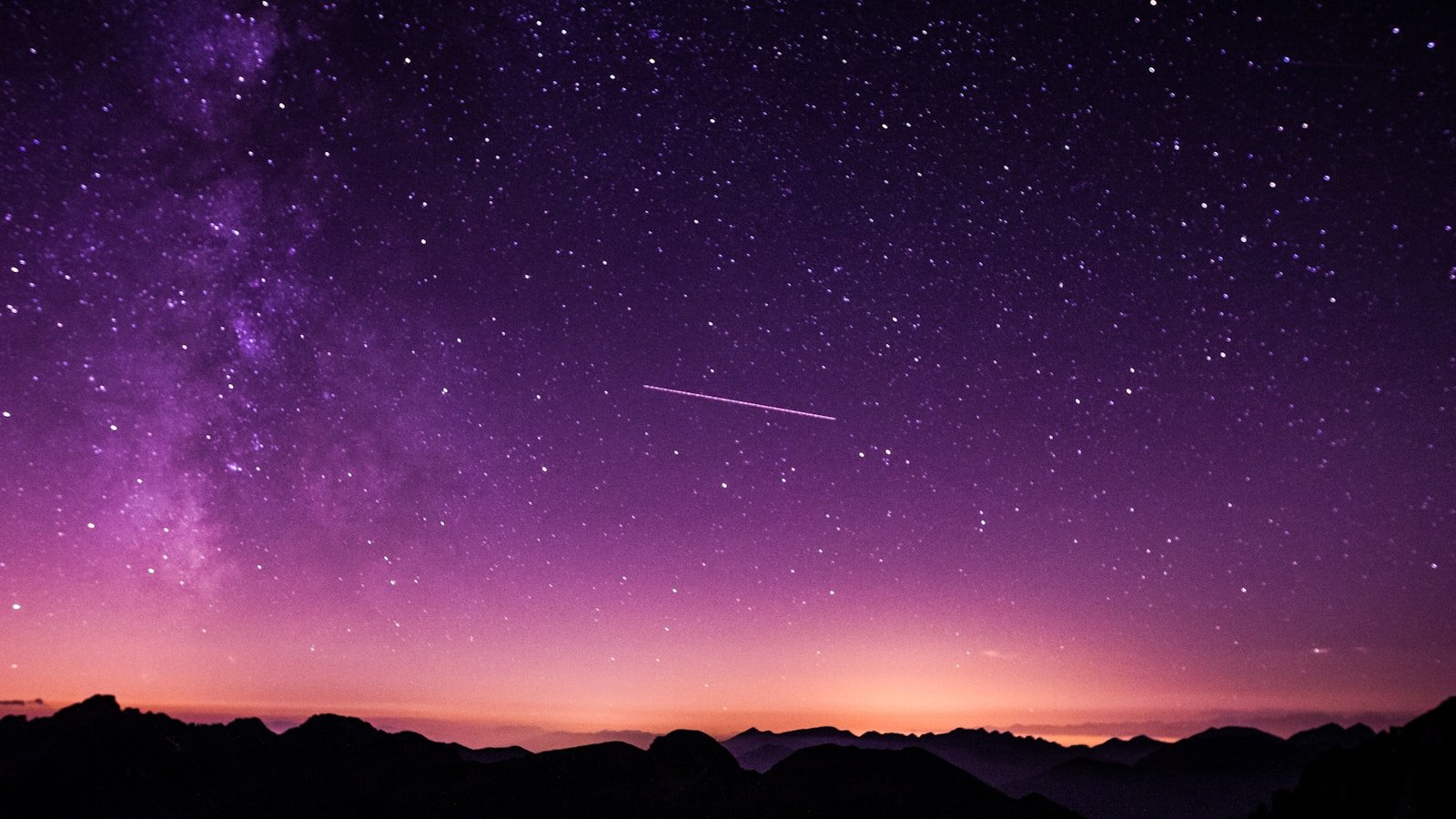
Image: NASA/APOD
Astronomy Picture of the Day (APOD) is one of the most visited astronomy resources on the web. Every day since 1995, it has featured a space or astronomy image with a brief expert explanation. Many people assume all APOD images are free to use. They are not.
This guide explains how to determine the copyright status of any APOD image and when you need to ask permission before using it.
The key fact most people miss
APOD does not own or licence the images it features. It is a curated showcase. Each image is provided by its creator — sometimes NASA, sometimes ESA, sometimes an amateur astrophotographer who retains full copyright.
The copyright status depends entirely on who created the image, not on whether it appeared on APOD.
How to check: the credit line
Every APOD entry includes a credit or copyright line below the image. This is where you find the answer.
Pattern 1: "Credit: NASA/[agency/team]"
Status: Usually public domain (US government work). Free to use with credit.
Example:
Credit: NASA, ESA, CSA, STScI
This is a JWST image. It follows standard NASA/ESA/CSA usage rules. See the crediting guide for how to format the credit correctly.
Pattern 2: "Credit: ESO/[instrument]"
Status: CC BY 4.0 (European Southern Observatory). Free to use with proper attribution and licence compliance.
Pattern 3: "Image Credit & Copyright: [Person's Name]"
Status: Copyrighted. You need the photographer's permission to use this image beyond fair use.
This is the one that catches people out. Many APOD features are stunning images by amateur and professional astrophotographers. They retain full copyright. "Appearing on APOD" does not change that.
Pattern 4: "Credit: [Person's Name]"
Status: Ambiguous. If no explicit "Copyright" notice appears, the image may be freely usable, but it is safer to contact the creator and confirm.
Quick decision flowchart
- Go to the specific APOD page
- Read the credit/copyright line
- Does it say "Copyright: [Name]"?
- Yes → You need permission. Contact the photographer.
- No → Check the credited agency's usage policy (NASA, ESA, ESO, etc.)
- Is the credited agency a US government body (NASA, NOAA, USGS)?
- Yes → Generally public domain. Credit required, but no permission needed.
- Is it ESA or ESO?
- Yes → Check their specific licence (usually CC BY-SA 3.0 IGO or CC BY 4.0). Follow the licence terms.
What "fair use" covers (and doesn't)
In many jurisdictions, limited use of copyrighted images for commentary, education, news reporting, or criticism may be permitted under fair use or fair dealing provisions. However:
- Fair use is a legal defence, not an automatic right
- Using a full-resolution copyrighted APOD image as a hero banner on a commercial website is unlikely to qualify
- Thumbnails or crops in a genuine review or educational context have a stronger case
- When in doubt, ask the copyright holder
How to request permission
Most astrophotographers credited on APOD are reachable through:
- Their personal website (often linked from the APOD page)
- Social media (many are active on astronomy forums and image-sharing platforms)
- Email (sometimes listed on the APOD page itself)
Be specific in your request:
- What image you want to use
- Where and how you plan to use it
- Whether it is commercial or non-commercial
- What credit you will provide
Many photographers are generous with permissions, especially for non-commercial or educational use. But you must ask first.
Common mistakes
"It's on APOD, so it must be free"
Wrong. APOD is a showcase, not a licence.
"I credited the photographer, so I'm covered"
Credit is necessary but not sufficient. If the image is copyrighted, you need permission regardless of whether you credit the creator.
"I found it on Google Images / Pinterest / Reddit"
The source you found it on does not determine the copyright. Go back to the original APOD entry and check the credit line.
"NASA images are always free"
Most NASA images are, but some NASA-associated images are created by contractors, universities, or partner agencies with different terms. Always verify.
APOD archive and access
The FP Softlab gallery and deep-sky astrophotography section follow proper attribution practices and can serve as examples of correct crediting.